
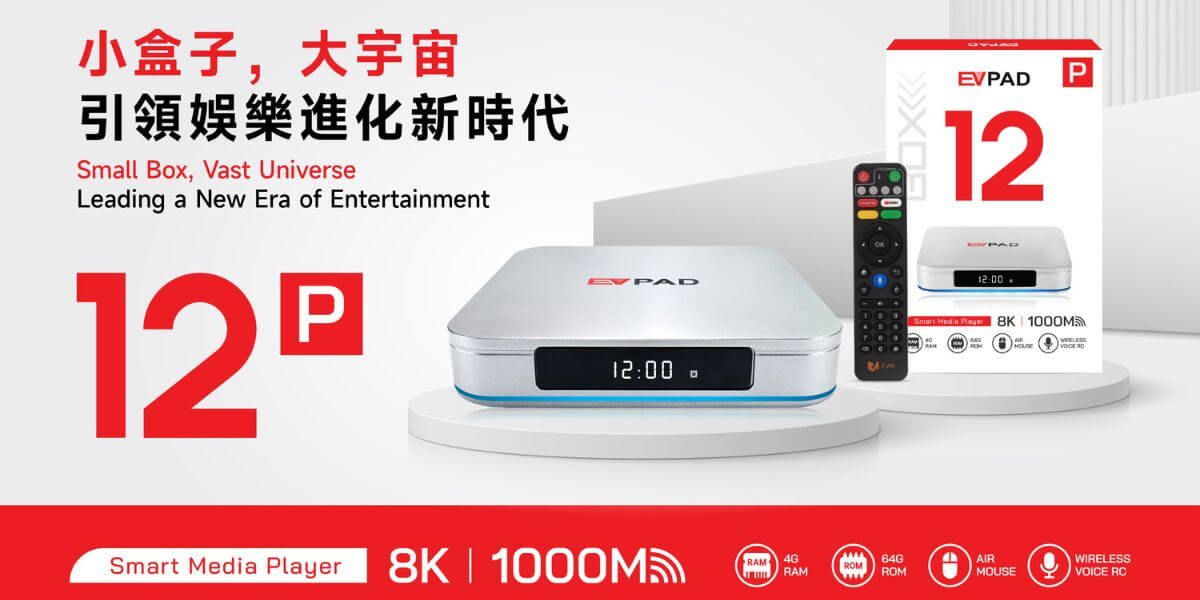
- Essential Hardware Specifications for 8K Content Playback
- Processor Architecture Considerations
- Codec Support and Video Processing Technologies
- Superbox S7 Max: Exemplifying Advanced Codec Implementation
- Color Space and HDR Technologies
- Network Infrastructure and Connectivity Requirements
- Adaptive Bitrate Streaming Technologies
- Storage Solutions and Content Management
- Expandable Storage Considerations
- Audio Processing and Immersive Sound Technologies
- Audio Codec Diversity
- User Interface and Smart Features
- Personalization and Family Management
- Future-Proofing and Ecosystem Integration
- Sustainability Considerations
Essential Hardware Specifications for 8K Content Playback
The paradigm of 8K streaming necessitates a sophisticated ensemble of hardware components that collectively orchestrate seamless ultra-high-definition content delivery. Modern Android TV boxes designed for 8K playback must incorporate cutting-edge silicon architecture capable of processing massive data throughput while maintaining thermal equilibrium.
Contemporary 8K-capable processors leverage advanced lithographic fabrication processes, typically utilizing 7nm or smaller node technologies. These system-on-chip (SoC) configurations integrate powerful ARM Cortex architectures with dedicated neural processing units. The synergistic combination enables real-time video decoding algorithms to handle the substantial computational overhead inherent in 8K content streams.
Memory subsystems represent another critical bottleneck in 8K streaming performance. Optimal configurations require a minimum of 8GB LPDDR5 RAM, though premium implementations often incorporate 16GB for enhanced buffering capabilities. The memory bandwidth must accommodate simultaneous operations including video decoding, system processes, and background applications without introducing latency artifacts.
Graphics processing units within Android TV boxes have evolved to support hardware-accelerated decoding for modern codecs including HEVC (H.265), AV1, and VP9. These specialized video engines offload intensive computational tasks from the primary processor, dramatically reducing power consumption while ensuring fluid playback experiences.
Processor Architecture Considerations
The heterogeneous computing paradigm employed in premium Android TV boxes utilizes big.LITTLE core configurations. Performance cores handle demanding tasks like video decoding, while efficiency cores manage background processes. This architectural approach optimizes both performance and thermal characteristics during extended streaming sessions.
Advanced SoCs integrate dedicated media processing pipelines with support for multiple simultaneous decode streams. This capability proves invaluable for households requiring picture-in-picture functionality or multi-room content distribution scenarios.
Codec Support and Video Processing Technologies
The codec ecosystem for 8K content delivery encompasses multiple compression standards, each optimized for specific use cases and bandwidth constraints. Understanding these encoding methodologies enables informed decisions when selecting Android TV boxes for diverse content consumption patterns.
HEVC (High Efficiency Video Coding) remains the predominant standard for 8K content distribution. This codec delivers approximately 50% better compression efficiency compared to its predecessor, H.264. Modern Android TV boxes must support HEVC Main10 profile to handle 10-bit color depth content, which significantly enhances dynamic range reproduction.
AV1 represents the next-generation codec designed specifically for streaming applications. Developed by the Alliance for Open Media, AV1 provides superior compression ratios while maintaining open-source licensing. Forward-thinking Android TV box manufacturers increasingly incorporate hardware-accelerated AV1 decoding capabilities.
Superbox S7 Max: Exemplifying Advanced Codec Implementation
The Superbox S7 Max demonstrates exemplary codec integration for contemporary streaming demands. This premium Android TV box incorporates comprehensive hardware acceleration for all major video formats while maintaining the extensive channel ecosystem that EVPAD TV Box customers expect. Chinese-speaking households particularly benefit from its optimized performance when streaming high-quality content from CCTV, TVB, and other regional broadcasters.
The device's sophisticated video processing pipeline ensures consistent 8K playback quality across diverse content sources. Its advanced thermal management prevents throttling during extended viewing sessions, making it ideal for families who consume multiple hours of daily content.
Color Space and HDR Technologies
Modern Android TV boxes must support expanded color gamuts including Rec. 2020 and DCI-P3 to fully exploit 8K content's visual potential. High Dynamic Range (HDR) implementations including HDR10, HDR10+, and Dolby Vision require dedicated processing capabilities within the video pipeline.
Tone mapping algorithms become crucial when displaying HDR content on displays with varying peak brightness capabilities. Advanced Android TV boxes incorporate adaptive tone mapping that analyzes content characteristics and display specifications in real-time.
Network Infrastructure and Connectivity Requirements
The substantial bandwidth demands of 8K streaming necessitate robust network infrastructure and sophisticated connectivity solutions. Uncompressed 8K video streams require approximately 48 Gbps of bandwidth, though practical implementations utilize advanced compression to reduce requirements to 50-100 Mbps for high-quality content.
Wi-Fi 6E (802.11ax) support becomes essential for wireless 8K streaming applications. The 6GHz spectrum allocation provides additional bandwidth while reducing congestion from legacy devices. Android TV boxes incorporating Wi-Fi 6E capabilities can maintain stable connections even in dense electromagnetic environments.
Ethernet connectivity remains the gold standard for consistent 8K streaming performance. Gigabit Ethernet ports ensure adequate headroom for peak bandwidth demands while providing immunity to wireless interference. Premium implementations may incorporate 2.5GbE or even 10GbE connectivity for future-proofing considerations.
Network latency proves equally important as raw bandwidth. 8K streaming benefits from sub-10ms latency to maintain responsive user interfaces and minimize buffering interruptions during content transitions.
Adaptive Bitrate Streaming Technologies
Sophisticated Android TV boxes implement intelligent bitrate adaptation algorithms that continuously monitor network conditions. These systems dynamically adjust stream quality to maintain uninterrupted playback while maximizing visual fidelity within available bandwidth constraints.
Multi-CDN support enhances content delivery reliability by automatically selecting optimal servers based on geographic proximity and current load conditions. This redundancy proves particularly valuable for international content accessed by diaspora communities.
Storage Solutions and Content Management
The voluminous nature of 8K content necessitates substantial local storage capabilities for caching, downloading, and time-shifting applications. Modern Android TV boxes typically incorporate high-speed eUFS or NVMe storage subsystems that provide both capacity and performance.
Intelligent caching algorithms preemptively download frequently accessed content during off-peak hours. This proactive approach reduces real-time bandwidth consumption while ensuring immediate availability of popular programming.
| Storage Type | Sequential Read Speed | Typical Capacity Range | Power Consumption |
|---|---|---|---|
| eMMC 5.1 | 400 MB/s | 32-128GB | Low |
| UFS 3.1 | 2,100 MB/s | 128-512GB | Medium |
| NVMe SSD | 3,500+ MB/s | 256GB-2TB | Medium-High |
Expandable Storage Considerations
Microsd card slots and USB 3.0+ ports enable storage expansion for users with extensive content libraries. High-speed interfaces ensure that external storage doesn't become a performance bottleneck during concurrent streaming and recording operations.
Audio Processing and Immersive Sound Technologies
The auditory component of 8K content delivery demands sophisticated audio processing capabilities that complement the enhanced visual experience. Modern Android TV boxes incorporate advanced digital signal processors capable of handling object-based audio formats and multi-channel configurations.
Dolby Atmos and DTS:X support enables three-dimensional soundscape reproduction through ceiling-mounted speakers or virtualization algorithms. These immersive audio technologies create spatial awareness that enhances content engagement, particularly for cinematic productions and live sporting events.
High-resolution audio support extends beyond traditional streaming to encompass audiophile-quality music reproduction. Android TV boxes with dedicated DACs and low-jitter clock circuits can reproduce audio content at sampling rates up to 192kHz with 32-bit depth.
Audio Codec Diversity
Comprehensive audio codec support ensures compatibility with diverse content sources and regional broadcasting standards. Essential formats include:
- Dolby Digital Plus and TrueHD for premium content
- DTS-HD Master Audio for Blu-ray quality reproduction
- PCM for uncompressed audio streams
- AAC and MP3 for compatibility with legacy content
User Interface and Smart Features
The user experience paradigm for 8K-capable Android TV boxes transcends traditional navigation paradigms to embrace intuitive content discovery and personalized recommendations. Machine learning algorithms analyze viewing patterns to surface relevant content while minimizing cognitive load.
Voice control integration through Google Assistant or proprietary solutions enables hands-free operation. Natural language processing capabilities understand contextual queries, allowing users to request specific programs or genres without precise terminology.
For Chinese-speaking households, multilingual interface support proves essential. Advanced Android TV boxes provide seamless language switching while maintaining consistent functionality across different input methods and character sets.
Personalization and Family Management
Sophisticated user profile systems accommodate diverse viewing preferences within single households. Parental controls integrate with content rating systems to ensure age-appropriate programming while maintaining viewing history separation between family members.
Future-Proofing and Ecosystem Integration
The rapidly evolving landscape of streaming technology demands Android TV boxes designed with extensibility and longevity in mind. Forward-thinking manufacturers implement modular architectures that enable firmware updates to support emerging standards and protocols.
Cloud-based processing capabilities offload computationally intensive tasks to remote servers, effectively extending the functional lifespan of existing hardware. This hybrid approach proves particularly valuable for AI-enhanced upscaling and real-time transcoding applications.
Integration with smart home ecosystems through protocols like Matter ensures Android TV boxes remain relevant as homes become increasingly connected. Seamless interoperability with lighting, climate control, and security systems creates cohesive user experiences.
Sustainability Considerations
Energy-efficient designs minimize environmental impact while reducing operational costs. Advanced power management features automatically adjust performance based on content complexity and user activity patterns.
The combination of cutting-edge hardware, intelligent software optimization, and comprehensive codec support positions modern Android TV boxes as the definitive solution for 8K streaming in 2025. For Chinese-speaking households seeking reliable access to both global and regional content, these technological advances ensure exceptional viewing experiences without recurring subscription burdens.